Skip to content

tinc botanica

Herbal Skin Care

  • Menutinc botanica menu
  • Blog
  • 🌸 lovely lilac-infusion recipes πŸŒΈ

    You guys!!!! I think we can all agree that lilacs smell divine, amirite? I mean, seriously! This is the time of year I always want to go super slow so I can soak it all in…the lilacs bloom, the bugs aren’t biting yet, and each day brings more reminders that spring has SPRUNG.

    I just love to pick bunches of lilacs and stick them in vases all around my house. Then for days on end, I get to bask in fragrant and yummy aromas. And when the day comes that the lilac bushes stop blooming, it always seems like it wasn’t long enough.

    So this year I’m going to try and encapsulate some of that awesomeness by making some LILAC INFUSIONS. I decided to make an oil that I will use in some of my tinc salves, and a toner that I will keep for myself to use in my own skin routine (because LILAC TONER!).

    img_4164

    LILAC-INFUSED TINC OIL

    Pack an 8 oz. mason jar two-thirds with dried lilacs (gently crush to help the plant’s oils to be released) and fill to the top with sweet almond oil (or another carrier oil of your choice, such as grapeseed or sunflower).

    Put in a warm location and let sit for 2-3 weeks before straining out. Keep your jar in a dark place (avoiding sunlight will help to preserve your oil). Enjoy!

    LILAC-INFUSED TINC TONER

    Pack an 8 oz. mason jar two-thirds with dried lilacs (gently crush to help the plant’s oils to be released) and fill to the top with witch hazel. Choose an organic witch hazel with a low alcohol content. This will ensure that it doesn’t have other ingredients and that it isn’t too drying. Plus, the little bit of alcohol works as a preservative.

    Cover jar and let it sit for 2 weeks, occasionally giving the jar a gentle shake. After two weeks, strain into a glass bottle or jar.

    Because of the alcohol, it isn’t necessary to refrigerate. However, a nice cold toner can be especially refreshing on a hot day! Enjoy 🌸

  • Maple Holistics for the Recycle Program Win

    It all started with hair. I wasn’t asking for much…just an awesome, healthy, sulfate and paraben-free shampoo that actually worked well. And so, in my quest to find all those things, I stumbled across Maple Holistics. Mind you, this was years before I started tinc botanica…way before kids too! I was just a regular hippie chick looking for holistic ways to do life, lol πŸ˜‰

    Now I’m a mama and building a little oils business, and my love for this brand just continues to grow. In the meantime, my knowledge and mindfulness about what I put on my body has also grown. Understanding that skin is the largest organ of the body, and that what we put on it will end up inside of us…well let’s just say that finding companies I can fully get behind has become increasingly important to me.

    I already knew I loved Maple Holistics, their mission, the quality of their products, the integrity I’ve consistently found when communicating with them…but when I recently found out about their recycling program, I know this is going to sound over-the-top, but I seriously swooned.

    You can read about it in detail here, but suffice it to say that they will give you FREE shampoo (or make an equivalent donation to an environmentally-friendly charity if you prefer!) in exchange for returning six of your used bottles to them. They will then recycle those bottles and refill them for the next happy and environmentally conscious customers to come. Like seriously, I find this SO amazing…and logical…and also kind of a no-brainer for all of us holistic folks.

    As I mentioned in the title, Maple Holistics for the win! And PS, for the record, they have given me a few shampoos and oils for separate reasons, but I’m not being paid to share my perspective here. I just think that what they’re doing is important and I wanted to tell all my peeps and share the tinc love!

    From the About Page, their mission is:

    Maple Holistics has one primary goal in mind: to provide a natural, holistic range of premium products which can enhance hygiene, health and daily living. We care about crafting and providing you with natural, cruelty-free and effective products which can enhance your day-to-day life. As an aside, we’d like to educate our consumers about the importance of natural and cruelty-free personal care – which you can learn about at the Maple Blog.

    Our PETA-certified cruelty-free products are naturally sourced and formulated from scratch in order to ensure that your hair and skin receive the safest and most effective treatment possible. Some of our products offered include therapeutic shampoos and conditioners, facial masks, essential oils and more.

    Our expert, certified team, as well as our Research and Development team is constantly engaged in creating new products and sourcing natural ingredients for health. Most importantly, customer satisfaction is our number one concern. When you’re happy, we’re happy. Every day at our New Jersey headquarters we push ourselves to provide the highest quality, most effective and most natural personal care products possible.

    At Maple Holistics, we take pride in our Holistic Promise. We guarantee satisfaction and cherish every customer relationship. If for whatever reason you are unsatisfied with your Maple Holistics experience, we will refund your order or send you a new product. That’s how much we care about making sure our customers are completely satisfied.

    Resources

    https://www.mapleholistics.com/blog/

    https://www.mapleholistics.com/about/

    https://www.mapleholistics.com/recycling-program/

  • (Safe) Fun in the Sun: Phototoxicity & Essential Oils

    Yay! Summer is just around the corner (something we Minnesotans do NOT take for granted πŸ˜‰). This means we are headed straightaway for some pool, beach-side, and general outdoor fun.

    And while we are beyond thrilled to bask in the sun (seriously!), it’s so important to be educated about essential oils and phototoxicity.

    The word “phototoxic” might be new and daunting to some of us, but that’s okay. Armed with knowledge, we can demystify this scary-sounding word and make adjustments accordingly…knowledge is power, right?

    Okay, so first thing’s first:

    What is Phototoxicity?

    According to The Herbal Academy,

    “Phototoxicity happens when certain chemical constituents bind to DNA in the skin and then react with UV light, killing the cells and damaging tissues. Phototoxic burns can show up anywhere from 1-24 hours after sun or UV exposure, including tanning beds, cause anywhere from first to third-degree burns, and the resulting discoloration can last up to several months.”

    A Note on Citrus Oils

    While it’s true that many of the oils that are phototoxic are citrus, according to Essential Oil Safety, a well-researched and renowned book on the subject:

    “Not all cold pressed citrus essential oils are phototoxic, and steam distilled citrus essential oils are apparently not phototoxic.”

    With some oils, the key detail is in the process from which the oil is derived. And apparently, the steam distilled process is the safer one.

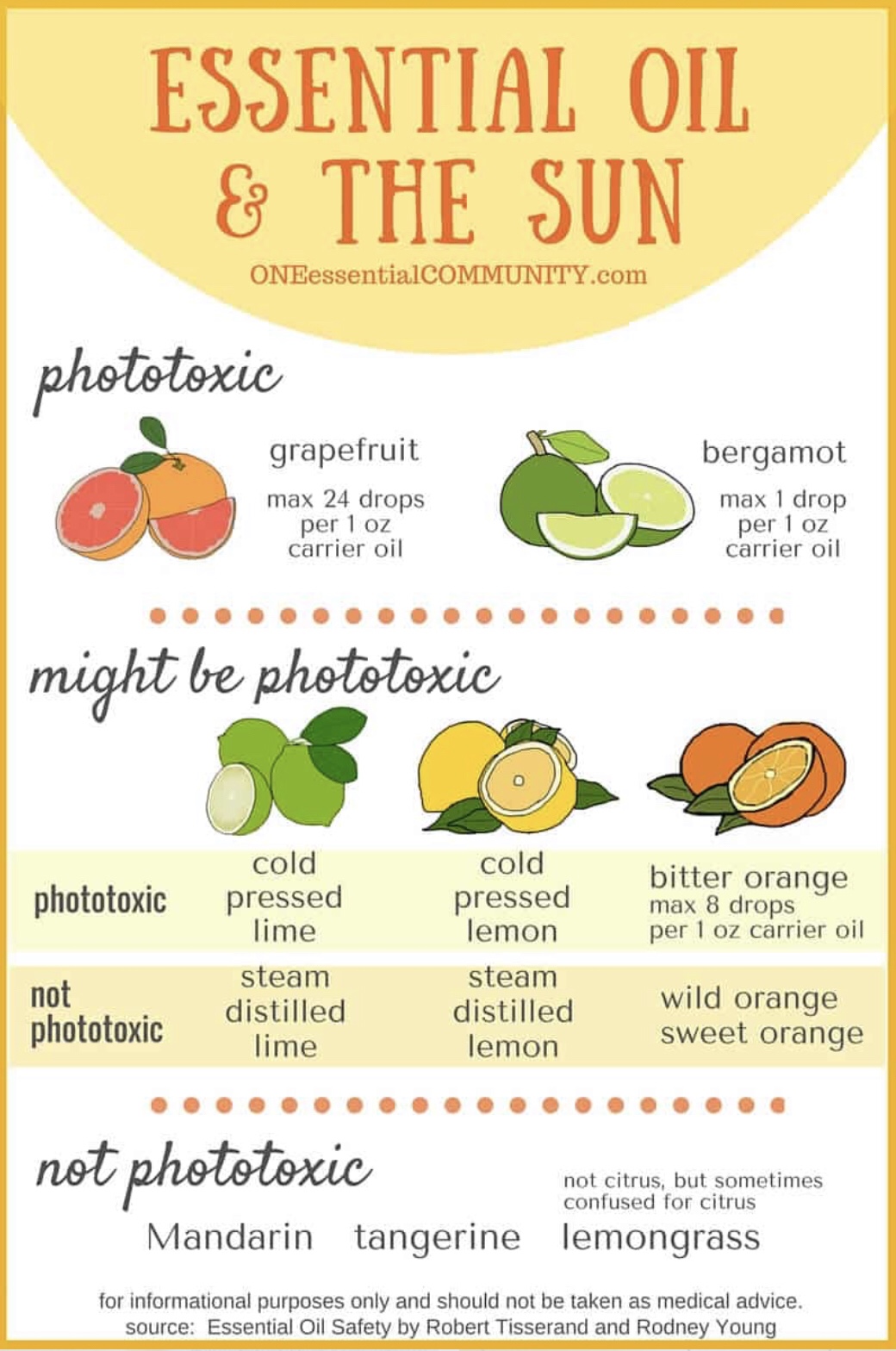
    Check out this handy chart:

    Non-Phototoxic Oils

    According to the acclaimed Essential Oil Safety book, the following oils are considered non-phototoxic:

    • Mandarin essential oil
    • Wild orange/Sweet orange essential oil
    • Tangerine essential oil
    • Steam-distilled lemon essential oil
    • Steam-distilled lime essential oil
    • (Please note that lemongrass is also not phototoxic and is in fact, not even a citrus oil!)

    Phototoxic Oils

    That being said, these oils are considered phototoxic:

    • Bergamot essential oil
    • Grapefruit essential oil
    • Bitter orange essential oil
    • Cold-pressed lemon essential oil
    • Cold-pressed lime essential oil


    BE EXTRA CAUTIOUS WITH BERGAMOT AND COLD-PRESSED LIME 

    Not all of the oils listed above are equally phototoxic. For example, one drop of bergamot is 24 times more phototoxic than grapefruit oil.

    According to the information gathered from the knowledgeable and amazing One Essential Community, this list details the maximum number of drops per ounce of carrier oil it takes to create a phototoxic reaction:

    • bergamot 1 drop
    • cold-pressed lime 4 drops
    • bitter orange 8 drops
    • cold-pressed lemon 12 drops
    • grapefruit 24 drops


    Conclusion

    We have to be smart with these oils! They pack a powerful punch and it’s important we are informed and make good choices.

    When it comes to phototoxic oils, One Essential Community recommends the following:

    1. Use less of the phototoxic essential oil than the recommended maximum listed above.  So, for example, the recommended phototoxic-safe maximum number of drops of cold-pressed lemon per ounce of carrier oil is 12.  A 10ml roller bottle is 1/3 of an ounce, so the recommended maximum for a 10ml roller bottle is 4 drops of cold-pressed lemon. Use fewer than 4 drops of grapefruit per 10ml of carrier oil and you can safely use that diluted cold-pressed lemon roller bottle even on skin that might be exposed to the sun.
    2. Wear clothing with SPF and/or long-sleeves over the phototoxic oil
    3. Diffuse your oils instead of applying topically
    4. Use phototoxic oils in a product that will be washed off (soaps and scrubs, etc)

    Resources

    https://theherbalacademy.com/truth-phototoxic-essential-oils-use-safely/

    https://www.aromaweb.com/books/tissera2.asp

    https://oneessentialcommunity.com/phototoxic-citrus-essential-oils-sun/

  • Tinc Diffuser Blends

    Ahhh…whatever is going on in life, there is quite seriously always a blend for that 😍🌿

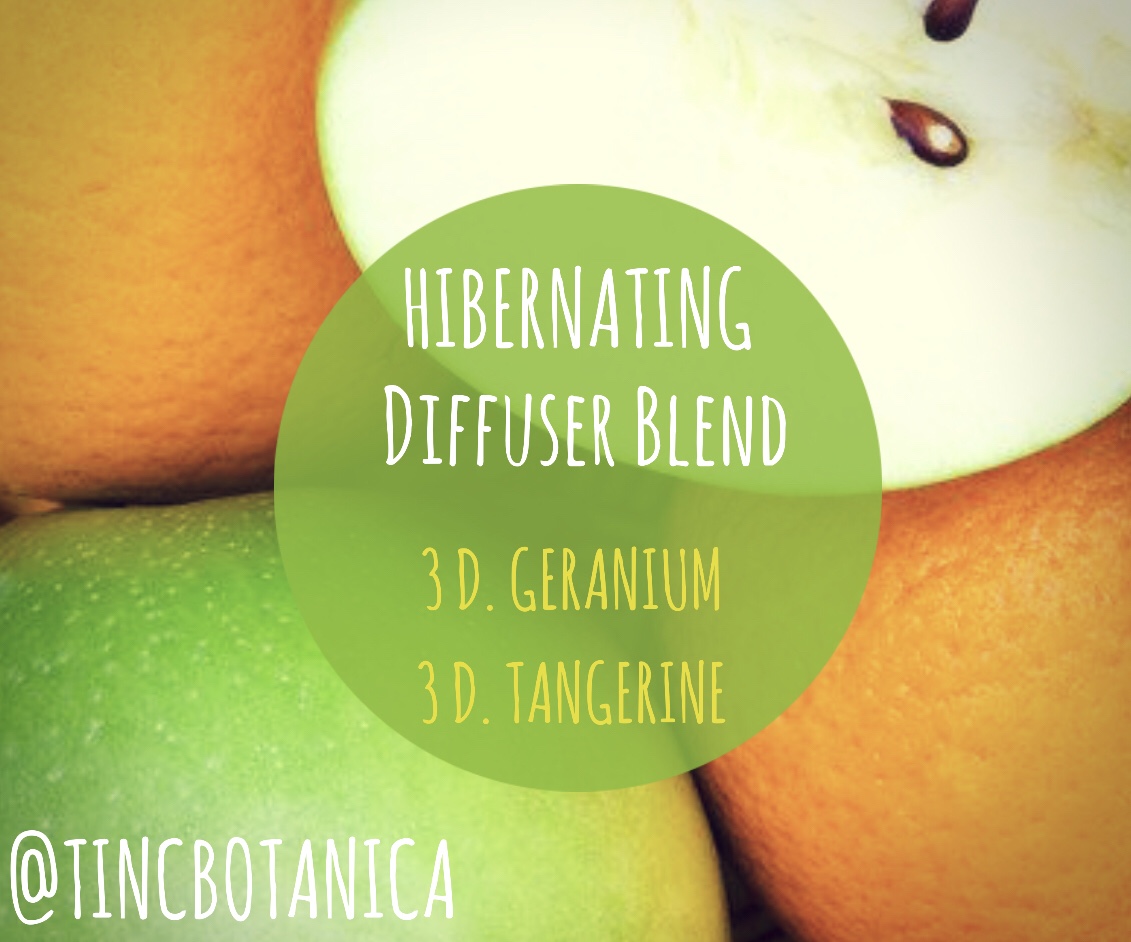
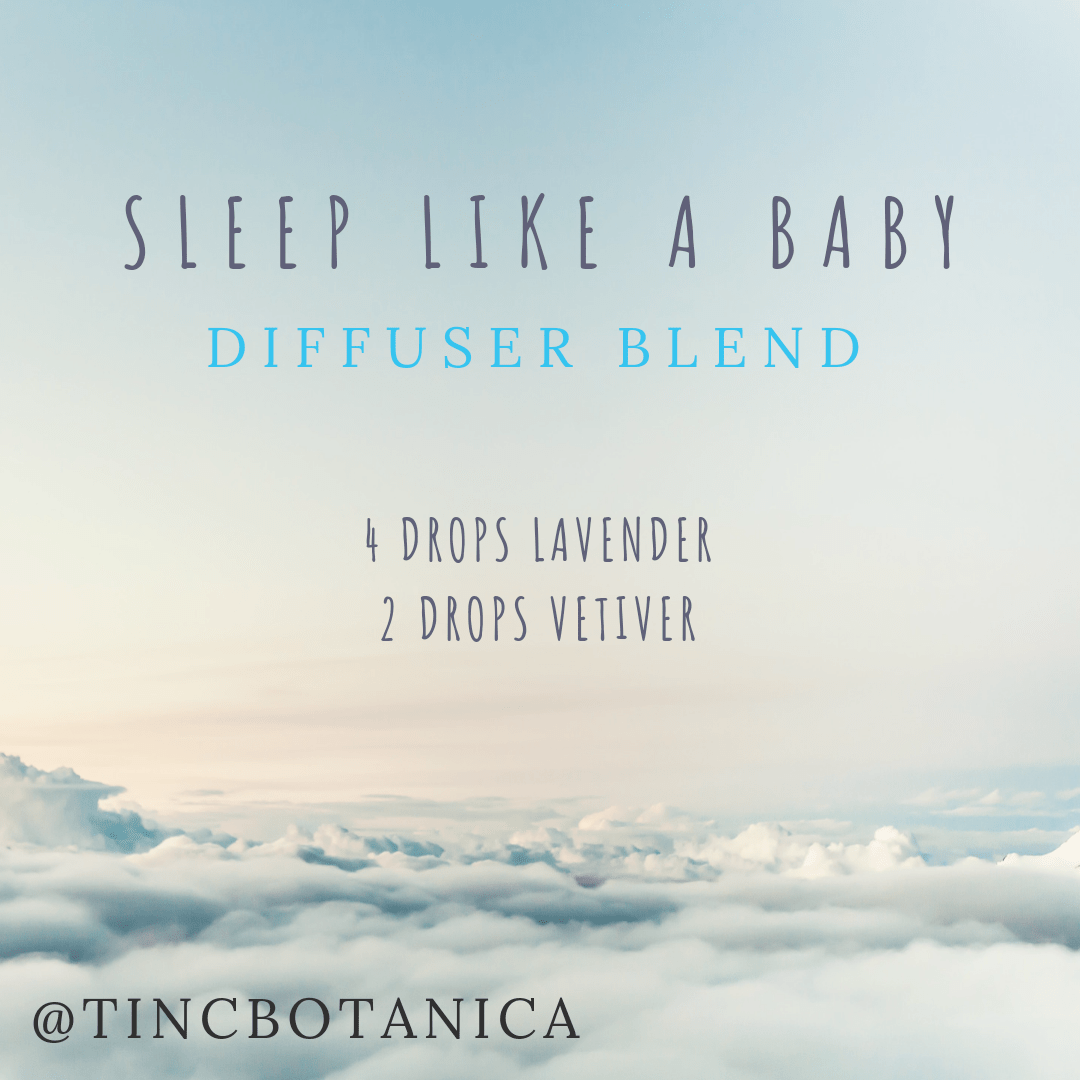
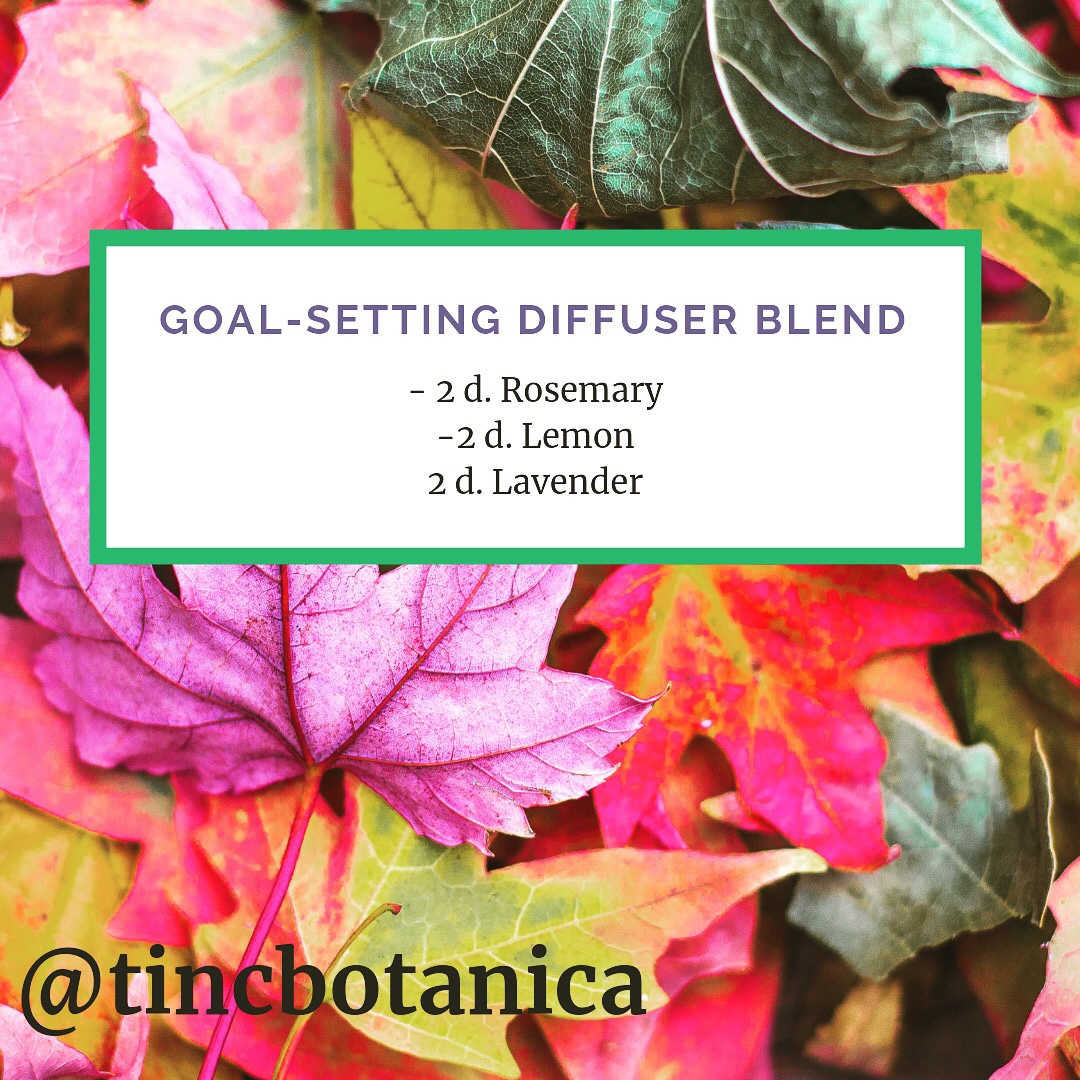
    Here are a few diffuser blends that I swear by in my home:

    This one is a refreshing aroma that brings on feelings of spring.

    This one is fabulous for when the snow won’t stop falling and we’re making the best of being inside all day.

    There’s something so very magical about this sleep blend πŸ’•

    Get in the zone and feel super focused with this blend I call “goal-setting.”

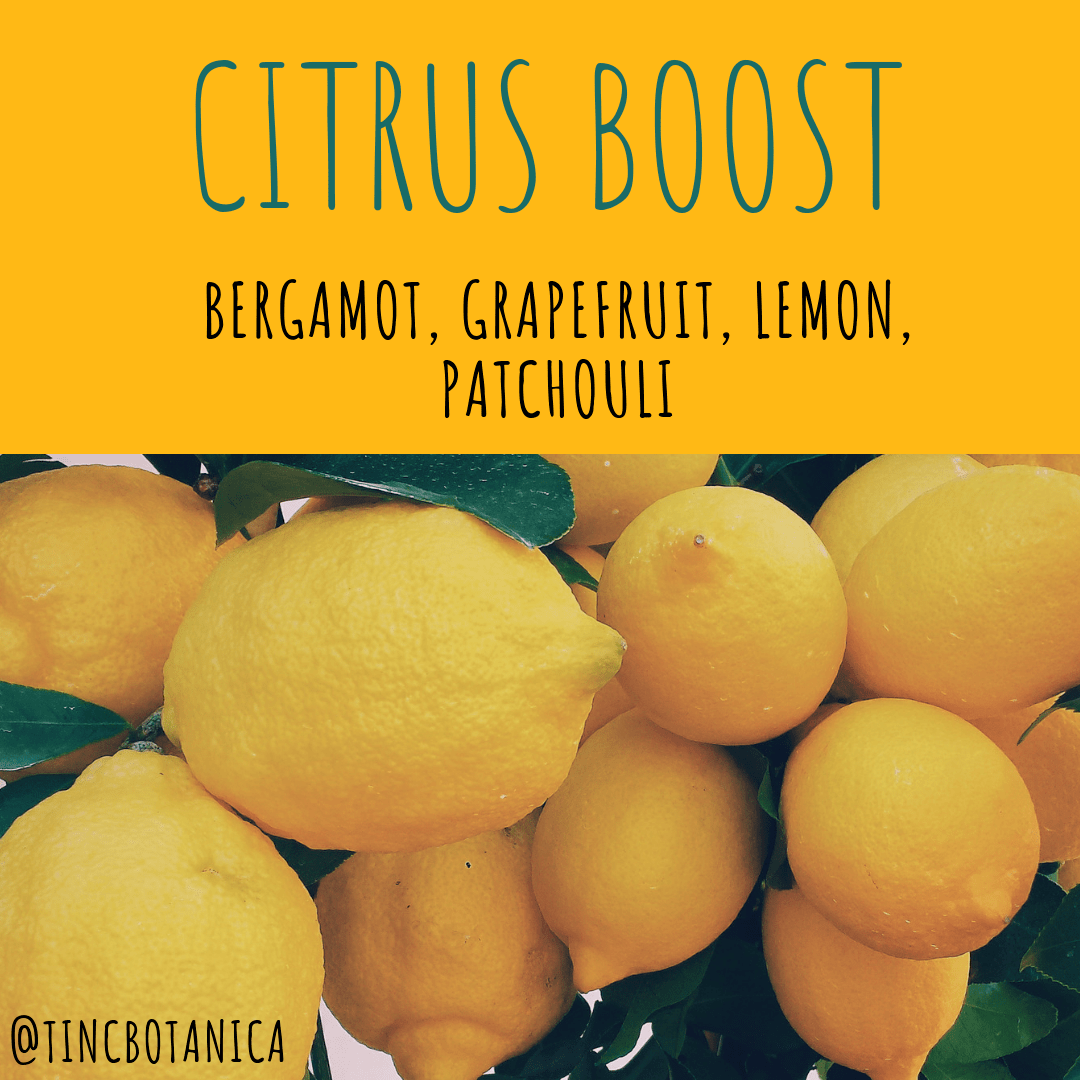
    Bring on all the mood-lifting feels with citrus!

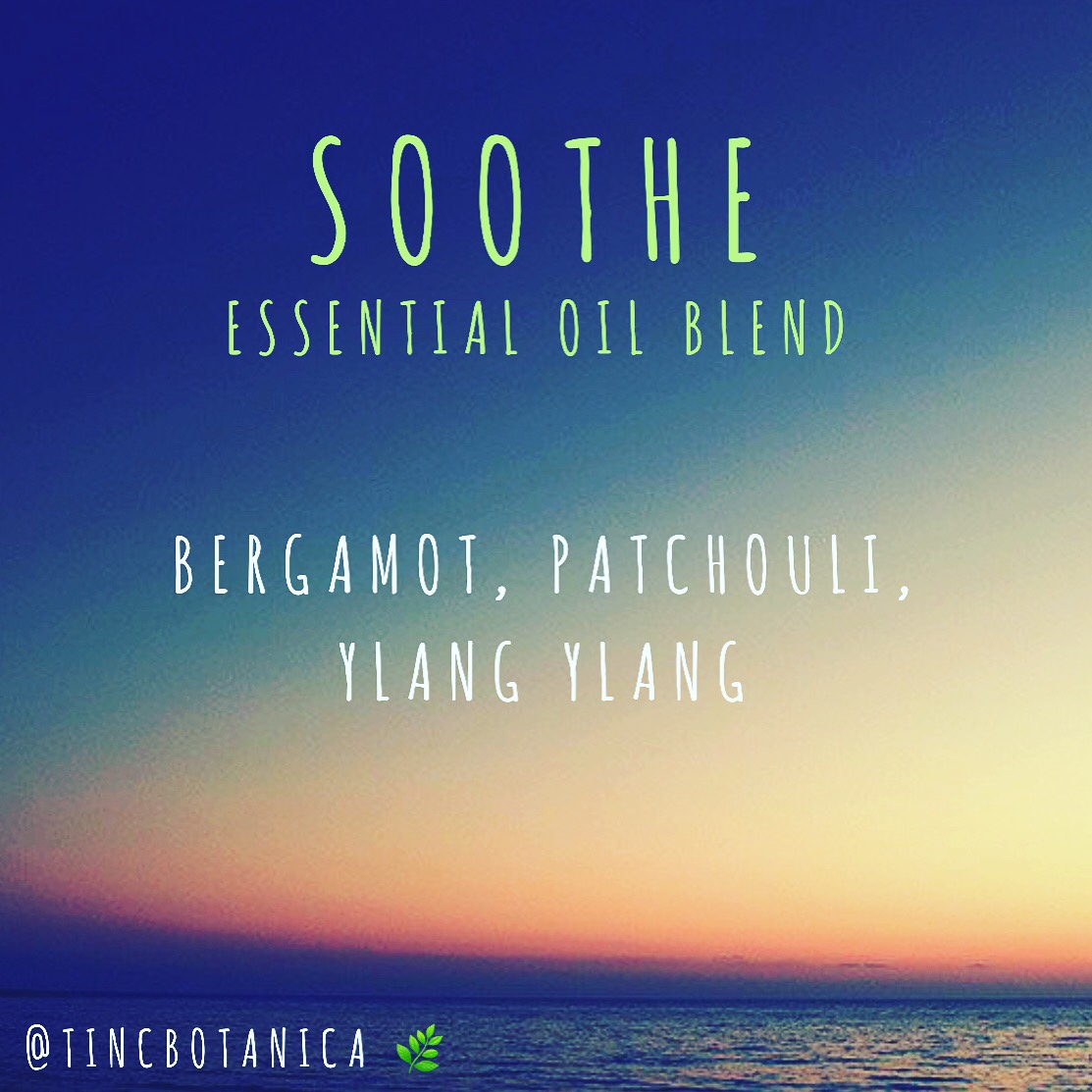
    This blend is soothing and delightfully zen. I’m a big fan.

    What about you? Which blends do you like to diffuse in your home?

    Love,

    Amanda

  • Winter Mood Boosters

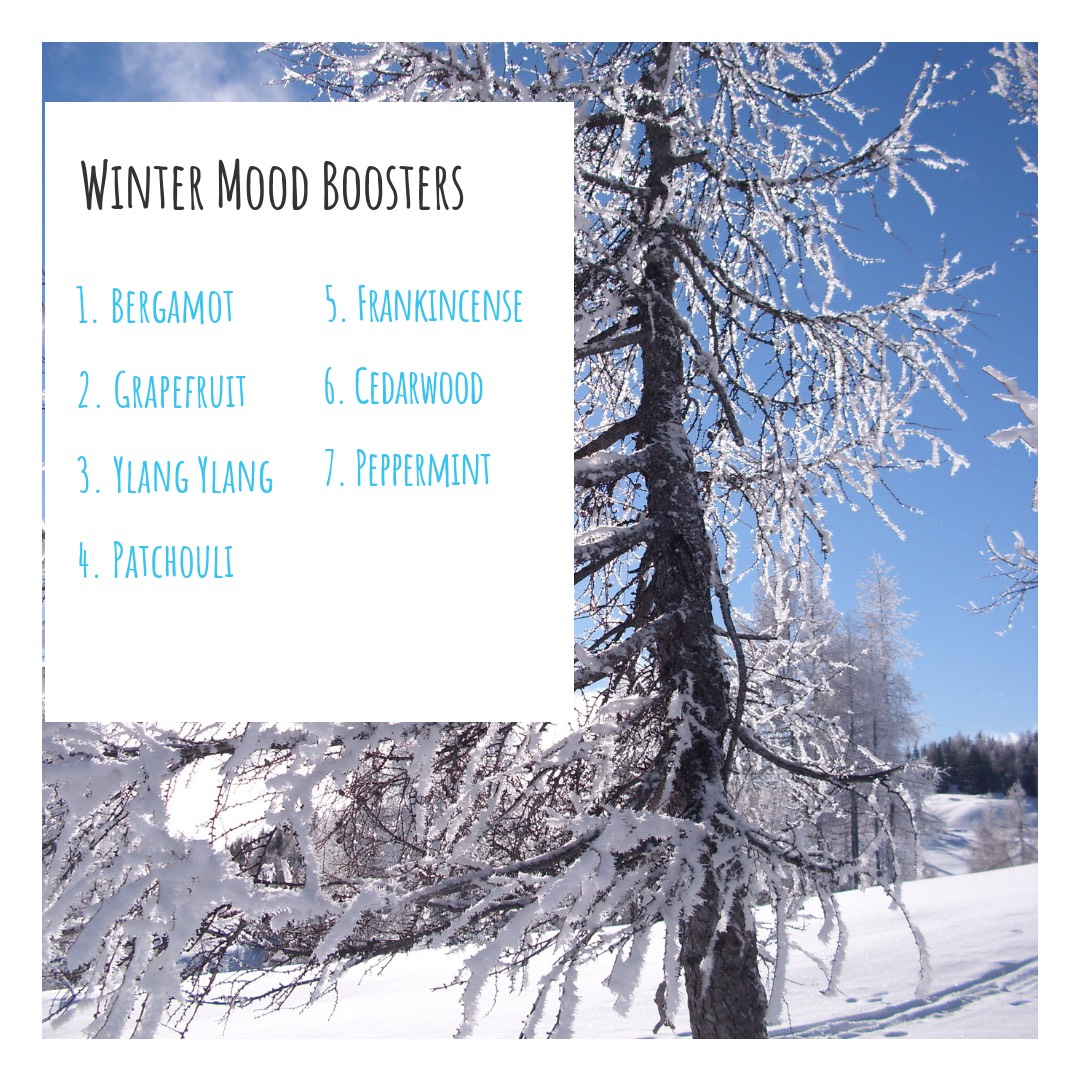
    winter mood boosters pic

    Hi guys!

    Today I want to talk about essential oils that are especially beneficial for boosting that “it’s freezing cold and the sun has not been out in weeks” sort of vibe. You know, the one in which many of us in the northern hemisphere can relate. Among other reasons, this feeling shows up for many of us from months of not getting as much sunlight as we do in the warmer months and oftentimes not getting as much outdoors time as our bodies and minds need.

    Certain essential oils can be very beneficial in boosting this “winter” mood. If you’re wondering how and why, the short answer is that essential oils are derived from plants, and plants basically contain much of the medicine needed to live healthy and vital lives. So let’s take a look at some of these lovely mood boosting oils and talk more specifically about plant medicine, shall we?

    Bergamot [1]

    Bergamot (citrus bergamia) is a citrus fruit oftentimes grown in Italy and usually described as a cross between lemon and sour orange. Its fruit is very sour and its peels are super aromatic. Typically essential oils from bergamot are produced from these peels and through a cold-pressed process, rather than the steam distillation process typically used with other essential oils.

    To quote this awesome (and adorable :)) article, “[bergamot is] anti-bacterial, anti-infectious, anti-inflammatory, and antispasmodic and its scent is uplifting and bright, cutting through gloom and crankiness like a knife of pure sunlight.”

    Of the many benefits and uses that bergamot is known for, the big ones that apply to mood boosting in the winter months include:

    1. its ability to act as an anti-depressant by promoting uplifted spirits and relieving feelings of negativity and apathy,
    2. it contains calming qualities that promote better sleep,
    3. and the same article even discusses bergamot’s reputation for letting go of emotional trauma through its mood lifting properties.

    Whoa. Powerful stuff, huh??

    Try diffusing it alone or consider using one of my many tinc blends that contain bergamot, such as Patience or Soothe.

    Grapefruit [2]

    Grapefruit essential oil (citrus paradise, citrus racemosa, and citrus maxima), like bergamot and other citrus, is obtained from the peels and through a cold-press extraction method.

    To be scientifically precise and according to this article, “[g]rapefruit essential oil is composed of limonene, alpha-pinene, sabinene, myrcene, geraniol, linalool, citronellal, decyl acetate, neryl acetate, and terpineol, out of which the top two constituents are limonene and myrcene.”

    Grapefruit essential oil has many awesome properties, but the ones specific to boosting our winter moods include:

    1. its ability to boost the immune system. A strong immune system absolutely plays an important role in managing our mood and overall health.
    2. The same article also addresses hormones and grapefruit’s ability to activate positive brain activity, while also stimulating the endocrine system (therefore metabolism), AND the nervous, digestive, lymphatic, circulatory, and excretory systems. (WHOA, right?)
    3. If the above weren’t enough, grapefruit is also specifically known for its happy and calming properties — making it an excellent mood lifter!

    Grapefruit can be diffused alone, added to a carrier oil and rubbed on the feet, or consider one of my tinc blends, such as Citrus Boost or Citrus Green Tea Body Scrub.

    Ylang Ylang [3]

    Ylang ylang (cananga odorata): a fun oil to pronounce πŸ˜‰ that is full of big benefits. This awesome oil is typically extracted via steam distillation of the ylang-ylang tree’s flowers, which are oftentimes found in the rainforests of various South Pacific and Asian Islands.

    Interestingly, the word ylang ylang is derived from the Tagalog language’s “ilang ilang.” In Tagalog, a language of the Austronesian language family, “ilang” means wilderness. Cool, huh?

    According to this 2006 study [4], ylang ylang can:

    1. decrease blood pressure and work as an anti-depressant,
    2. act as a mood lifter, and increase feelings of joy and hope.
    3. Additionally, this study [5] suggests that ylang ylang’s powerful anti-inflammatory properties are used to treat conditions such as rheumatoid arthritis, which are oftentimes worsened during the brutally cold winter months.
    4. Other research [6] suggests ylang ylang helps with insomnia, fatigue, and the nervous system.

    Clearly, ylang ylang rocks! You can simply inhale it directly from the bottle, diffuse it, or consider one of my tinc blends containing ylang ylang, such as Soothe or even quite appropriately, my Winter Mood Boost blend πŸ™‚

    Patchouli [7]

    Patchouli (pogostemon cablin or pogostemon patchouli) is another beneficial oil to keep close during the long winter months. Extracted by steam distillation from the leaves of the patchouli plant, scientifically speaking, “[t]he basic components of patchouli essential oil are alpha patchoulene, beta patchoulene, alpha guaiane, alpha bulnesene, caryophyllene, norpatchoulenol, patchouli alcohol, seychellene, and pogostol.” [7]

    Due to the medicinal properties of these components, patchouli packs a powerful health punch! According to the information found in this article, patchouli is known to:

    1. relieve depression by helping to release positive hormones such as serotonin and dopamine [8];
    2. reduce inflammation, which is important for many reasons, but is especially beneficial if dealing with skin conditions resulting from or exacerbated by cold winter weather;
    3. and stimulate circulation and immunity, which can ultimately serve as a mood lifter.

    Patchouli has a strong and lingering aroma. A little goes a long way! You can diffuse it alone or consider one of my tinc blends that contain patchouli, including Citrus Boost and Soothe.

    Frankincense [9]

    Frankincense — also known as olibunam — is derived from a resin taken from Boswellia trees. Frankincense is truly a special oil. Famous as one of the precious oils used in the Bible, its powers to help and heal our bodies are truly remarkable. If you are interested in learning more about its skin-healing benefits (one of its many powers), consider this informative article [10]. For our purposes here, let’s look to the mood-lifting and stress-busting benefits of frankincense:

    1. First, it has become associated with nootropics [11], “…a class of chemicals that have been found to offer cognitive benefits when ingested.”
    2. Next, frankincense has been shown to be an anxiolytic, which is basically an antipanic or antianxiety agent. In so many words, it’s a major stress reducer πŸ™‚
    3. Additionally, some studies have shown that by boosting certain neurotransmitters (particularly serotonin), mood can be boosted. Research is ongoing, but some results have suggested that frankincense can help boost serotonin.
    4. Among many other benefits, frankincense can also help to relieve pain and improve sleep.

    So basically, frankincense is pretty badass. I use it A LOT and for many different purposes. While you can definitely diffuse it alone, I personally love how well it mixes with other oils. You can find it in the following tinc recipes: my Energizing and Patience blends, my Calm Skin blend (*and stay tuned for far more frankincense in my upcoming skin line!), and my Magnificent Magnesium Butter.

    Cedarwood [12]

    There are four types of cedarwood:

    • Himalayan Cedarwood (Cedrus deodara) – From the Cedar Genus
    • Atlas Cedarwood (Cedrus atlantica) – From the Cedar Genus
    • Texan Cedarwood (Juniperus Mexicana) – From the Juniper Genus
    • Virginian Cedarwood (Juniperus virginiana) – From the Juniper Genus

    Cedarwood has been used for centuries for a variety of health reasons. Current research shows that its needles have pain killing and antiseptic properties and the tree itself contains antioxidants.

    It’s important to point out that the varieties listed above have different properties and therefore different benefits. For example,

    • Himalayan and Atlas Cedarwood based oils typically contain Alpha-pinene [13] and Himachalol [14] as key compounds.
    • The Juniper based oils contain high levels of Cedrol [15] and Thujopsene [16].

    In terms of stress relievers and winter mood boosters, cedarwood also brings a lot to the table. For example,

    1. insomnia – cedarwood has natural sedative properties that are said to “elevate the release of serotonin in the brain which converts to melatonin and encourages restful sleep and a peaceful mind.” [12]
    2. Also, “[w]ith its natural calming properties, cedarwood essential oil is perfect for stress and anxiety relief.” [12]
    3. Of the many other benefits, cedarwood also has been shown to improve concentration and focus (many people can relate to a bad mood being dampened further by brain fog and difficulty concentrating! Read this interesting study [17] on the subject if curious to know more!

    This article lists a number of awesome recipes for using cedarwood oil, and of course, you can always try one of my tinc blends, such as: Sleepy Time, Woodsy, After Shave Spray, Cozy Cabin, Morning Dew in the Woods, and aptly named, my Winter Mood Boost blend.

    Peppermint [18] 

    Peppermint (mentha balsamea) is one of those oils I find myself reaching for ALL THE TIME. It seems to add just the right touch to so many of my recipes. Invigorating and uplifting, it makes the perfect winter mood booster.

    Peppermint is:

    1. a natural stimulant: it helps to boost concentration (especially when tired and stressed),
    2. and a mood booster: it helps to improve mood by “alleviating symptoms of anxiety and depression. It can help to boost your mood and relieve feelings of sadness as well as enhance mental performance and feelings of happiness.” [18]
    3. Cooling – peppermint contains natural menthol, which makes it excellent for soothing tired feet or inflamed skin. Sometimes a few moments of soothing relief can be all the mood booster we need πŸ™‚

    Try diffusing peppermint alone, or please consider one of my tinc blends, such as Cozy Cabin, Energizing, Breathe Easy, Peppermint Coconut Foot Scrub, Peppermint/Orange Lip Balm, Cinnamon Mint Lip Balm, OR the aptly named “Winter Mood Boost.”

    (I did say how much I love peppermint, right? :))

    I hope you enjoyed this list of winter mood boosters! The list is by no means exhaustive, but I have found all of these to be especially beneficial during these sometimes sunless days. Please don’t hesitate to add your thoughts/questions/suggestions (helpful and positive, please!) below. I love to hear from all of you ❀️

    Be well and cheers!

    Amanda

    Be Mindful:

    As always with essential oils, it’s important to take care when using. A little always goes a long way! It is a good idea to read labels and do a little research before using a new oil because every oil is not created equally. Generally speaking though, there are a few words to the wise:

    1. Many citrus oils (such as bergamot and grapefruit) are phototoxic [19], which means that applying them topically typically makes skin more susceptible to sunburning for a number of hours following application. Read this article for more information.
    2. Take care when using essential oils during pregnancy and breastfeeding. There is A LOT of information out there, so I’ve learned to check carefully for reliable sources and to use common sense, so for example, I don’t ingest essential oils when I’m pregnant or breastfeeding. I probably technically could, but I err on the side of caution. Here are a few articles I recommend: this one by Rocky Mountain Oils [20] and this one by The Family that Heals Together [21].
    3. Many oils need to be diluted before being applied topically. Use caution when applying them “neat” or undiluted. Read here [22] for more information.

    Resources

    [1] https://www.theresaneoforthat.com/10-bergamot-oil-uses-you-need-to-know/

    [2] https://www.organicfacts.net/health-benefits/essential-oils/grapefruit-essential-oil.html

    [3] https://www.organicfacts.net/health-benefits/essential-oils/health-benefits-of-ylang-ylang-essential-oil.html

    [4] https://www.ncbi.nlm.nih.gov/m/pubmed/16807875/

    [5] https://www.ncbi.nlm.nih.gov/pmc/articles/PMC4534619/

    [6] https://www.ncbi.nlm.nih.gov/m/pubmed/25076278/

    [7] https://www.organicfacts.net/health-benefits/essential-oils/health-benefits-of-patchouli-essential-oil.html

    [8] https://www.tandfonline.com/doi/abs/10.1080/10412905.2009.9700152

    [9] https://monq.com/eo/essential-oils/frankincense/

    [10] https://beautymunsta.com/top-10-benefits-of-frankincense-essential-oil-for-skin/

    [11] https://monq.com/eo/focus/nootropics/

    [12] https://www.up-nature.com/blogs/news/21-miraculous-uses-for-cedarwood-essential-oil

    [13] https://www.mydxlife.com/the-healing-benefits-of-the-cannabis-terpene-alpha-pinene/

    [14] https://pubchem.ncbi.nlm.nih.gov/compound/Himachalol#section=Top

    [15] https://pubchem.ncbi.nlm.nih.gov/compound/Cedrol#section=Top

    [16] https://en.wikipedia.org/wiki/Thujopsene

    [17]http://files.meetup.com/1481956/ADHD%20Research%20by%20Dr.%20Terry%20Friedmann.pdf

    [18] https://www.livestrong.com/article/132829-benefits-peppermint-aromatherapy/

    [19] https://www.aromaweb.com/articles/phototoxicity-essential-oils.asp

    [20] https://www.rockymountainoils.com/learn/essential-oils-and-pregnancy/

    [21] https://www.thefamilythathealstogether.com/essential-oils-safe-for-pregnancy/

    [22] https://www.aromaweb.com/articles/dilutingessentialoils.asp


    View at Medium.com

    View at Medium.com

    View at Medium.com
  • The Magnificence that is Magnesium Body Butter

    When I was pregnant with my first daughter, I used to wake up literally screaming in pain because of crazy intense pain in my calves that would come from out of nowhere. Having never experienced anything like this at all, I quickly did some research and found out that these muscle spasms were a common occurrence in pregnant women and that taking magnesium could quickly resolve the issue. Fortunately for me, a supplement did the trick. However, I was left with lingering questions about magnesium, and being the holistically-minded gal that I am, I felt compelled to learn more.

    As it turns out, magnesium is a super important (and cool!) mineral to know about and I’ve officially become slightly obsessed with it. And since I know my husband is tired of hearing me rant about it all the time, I decided it was time for me to write this article and share with everyone a) what I’ve learned and b) what to do about it.

    So first, please consider this list of health conditions and see if anything here applies to you [1]:

    • Fatigue
    • Aches and pains
    • Mood problems
    • Muscle cramps
    • Migraines
    • PMS
    • Irregular sleep patterns and insomnia[2]
    • Heart irregularities[3]
    • Muscle twitches and spasms
    • Anxiety[4]
    • Digestive trouble
    • Lack of appetite
    • Constipation
    • Brain fog
    • Memory problems
    • Depression[5][6][7][8]
    • ADHD[9][10]

    I’m guessing that most of us can relate to at least one item on this list. And what’s astounding to me is that not getting enough magnesium could potentially cause each and every one of these conditions. Crazy, right?

    According to WebMD [11], “Magnesium is a mineral found in the earth’s crust, and in your body. It’s needed for healthy bones, heart, muscles, and nerves. It helps your body control energy, blood sugar, blood pressure, and many other processes.” According to MindBodyGreen [12], “Magnesium is responsible for over 300 biochemical reactions that contribute to healthy metabolic and immune functioning.”

    So, if magnesium is this fundamental to our overall health, I am stumped as to why understanding its importance isn’t made clearer to the general public. But since the goal of this article is to share with you all about the “magnificence that is magnesium body butter,” then I will steer away from hypothesizing about public health policy (something I am certainly not even remotely expert in, though definitely a curious human) and focus.

    Okay, so before we can get to the body butter, let’s quickly address why so many of us are not getting enough magnesium. As it turns out, “[l]ow dietary intake coupled with over-farmed soil chock-full of pesticides, lack of sleep, constant stress, and too much alcohol, caffeine, and sugar consumption” [12] are all reasons for the lack of magnesium in our bodies. I for one get super caught up in this part about our SOIL being responsible for a big part of the problem. But I again digress…

    Have I mentioned that I’m slightly obsessed, by the way? πŸ˜‰

    OKAY. So now you’re probably wondering the best ways to get this missing magnesium back into your body, right? I mean, who doesn’t want to improve sleep, improve focus, and potentially the plethora of symptoms listed above??

    There are indeed a handful of great ways to do this, and I recommend this article [13] to read about those. But for now, I can FINALLY discuss “The Magnificence that is Magnesium Body Butter”! This is the part where I get extra excited.

    Apparently, one of the best ways to raise our magnesium levels is topically. And one of the best varieties of magnesium for topical absorption is magnesium chloride oil (which is a misnomer because it’s not really an oil, it’s more of a brine because it’s water-based). Check out this fascinating fact: when you apply this “oil” for the first time, a stinging reaction is normal…and the stinging indicates that you are deficient! So after you’ve applied the oil regularly for awhile (depending on how deficient you are), the stinging will go away — which indicates you have raised your magnesium levels! I just think it’s SO cool that our bodies can be such clear barometers in this way πŸ™‚

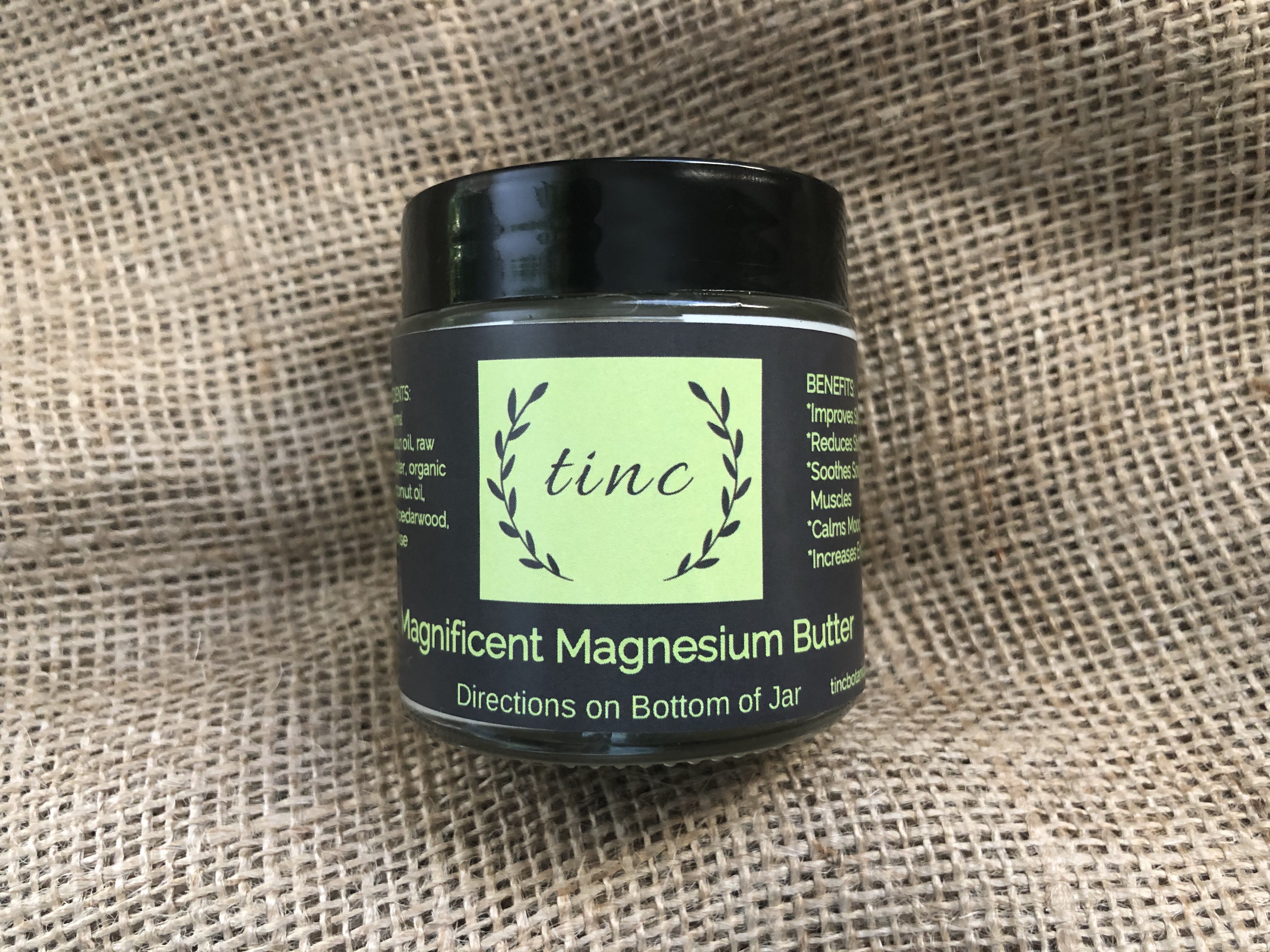
    So this body butter I am making is…well, MAGNIFICENT, if I do say so myself πŸ˜‰ I am currently experimenting with a basic recipe that uses these ingredients:

    β€’ raw cocoa butter

    β€’ organic coconut oil

    β€’ magnesium chloride oil

    β€’ essential oils

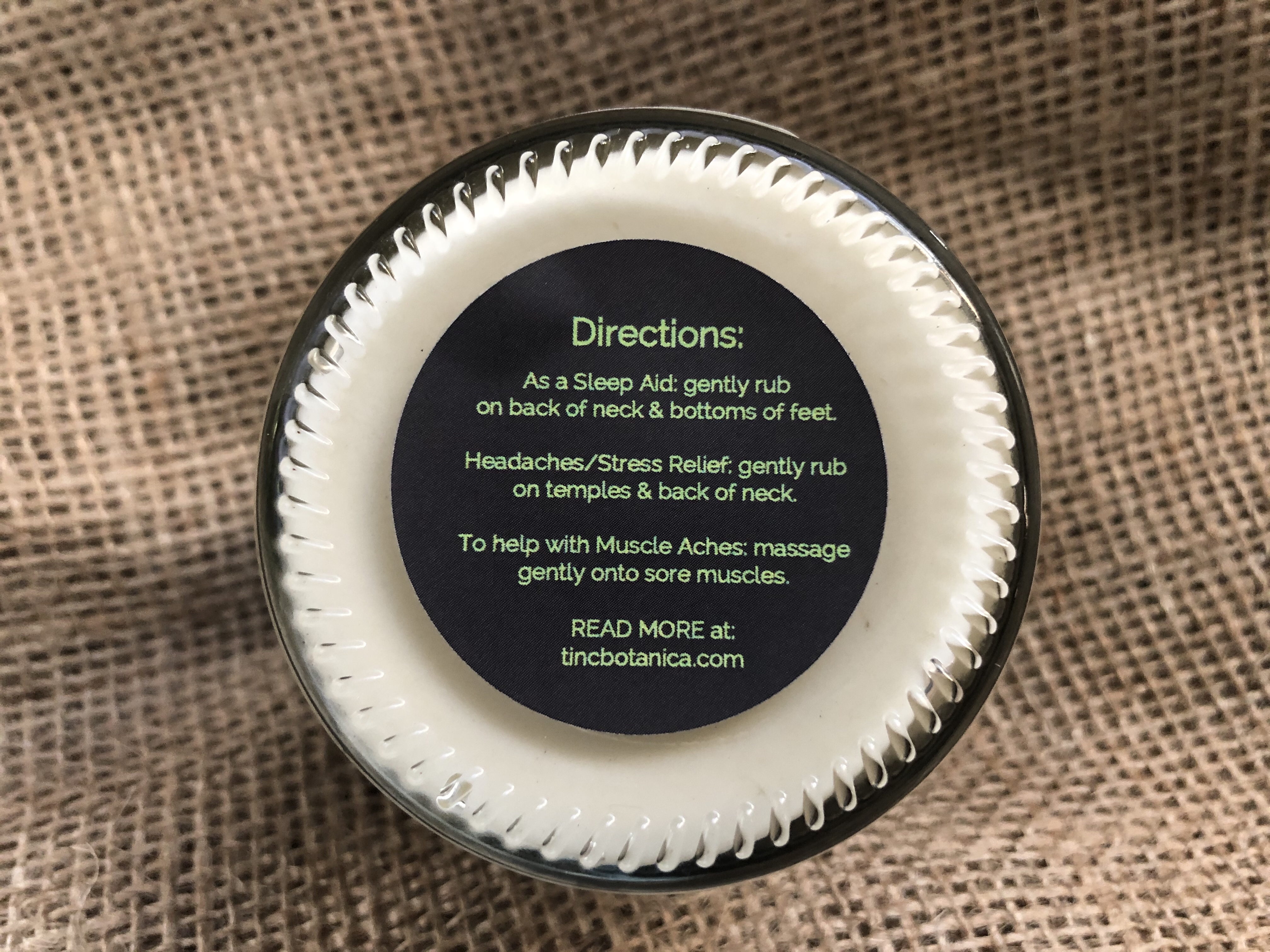
    I’ve been using this special butter in the following ways:

    1. sleep: before bed, I rub a small amount on the bottoms of my feet and on the back of my neck
    2. headaches/stress relief: rub a small amount on back of neck, forehead, and temples (be sure not to get any in your eyes!)
    3. muscle cramps: rub a small amount wherever the cramping is occurring

    Please be mindful:

    1. As I mentioned before, magnesium oil can cause some stinging (depending on how deficient you are!). Please only use a very small amount until your body adjusts.
    2. Don’t use on broken skin, open wounds, or freshly shaven skin.
    3. Coconut oil melts at 76 degrees fahrenheit. Please keep in fridge if your home is warmer than that. It will get hard in the fridge, but will melt quickly once you’ve scooped out a small amount on your skin.

    I sure hope I’ve piqued your interest in magnesium even a teeny tiny bit today, and I’d love to hear from you too! Please comment to tell me your (helpful and positive, please) thoughts/suggestions.

    Hope you’re having a great day!

    Love,

    Amanda


    Resources

    [1] https://blog.bulletproof.com/magnesium-deficiency-supplements-causes/

    [2] https://www.ncbi.nlm.nih.gov/pubmed/23853635

    [3] http://science.sciencemag.org/content/208/4440/198

    [4] https://www.ncbi.nlm.nih.gov/pubmed/28445426

    [5] https://www.ncbi.nlm.nih.gov/pubmed/19780403

    [6] https://www.jabfm.org/content/28/2/249.long

    [7] https://www.sciencedirect.com/science/article/pii/S0306987709007300

    [8] https://www.ncbi.nlm.nih.gov/pubmed/9368236

    [9] https://www.ncbi.nlm.nih.gov/pmc/articles/PMC4960558/

    [10] https://www.ncbi.nlm.nih.gov/pubmed/8274363

    [11] https://www.webmd.com/a-to-z-guides/magnesium-test#1

    [12] https://www.mindbodygreen.com/articles/magnesium-oil-benefits-how-to-make

    [13] https://www.mindbodygreen.com/0-5534/6-Powerful-Ways-to-Boost-Your-Magnesium-Levels.html


Proudly Powered by WordPress.com


Loading Comments...
 

    • Subscribe Subscribed
      • tinc botanica
      • Already have a WordPress.com account? Log in now.
      • tinc botanica
      • Subscribe Subscribed
      • Sign up
      • Log in
      • Report this content
      • View site in Reader
      • Manage subscriptions
      • Collapse this bar